Pet Health
· Updated March 02, 2026· 7 min read

How to Tell If Your Dog's Anal Glands Are Full: Signs and Solutions

✓ Vet-Reviewed Content
Dr. James Bascharon
Written by Dr. James Bascharon, DVMVeterinarian | Founder & CEO
Last medically reviewed: March 02, 2026
Meet our Vet Advisory Board →

- Full anal glands are a common source of discomfort in dogs, and recognizing the signs early helps prevent the problem from progressing to impaction, infection, or abscess
- The most reliable signs that your dog's anal glands are full include scooting (dragging the rear across the floor), excessive licking or biting at the hindquarters, a strong fishy odor from the rear end, signs of discomfort or pain such as whining or restlessness, and visible swelling or redness around the anus
- The most common causes of full anal glands are soft or loose stools that do not put enough pressure on the glands during bowel movements, breed predisposition due to gland size and shape, and poor-quality diets lacking adequate fiber
- Solutions include manual expression by a veterinarian or trained professional, dietary adjustments to increase fiber intake, and daily supplementation with anal gland support products that promote firm stools and healthy digestion
- It is important to learn proper technique before attempting manual expression at home, as incorrect technique can cause injury or infection

One often overlooked aspect of your dog's well-being is the health of their anal glands. Understanding when and why these glands become full is important for keeping your dog comfortable and preventing problems from escalating to impaction, infection, or abscess.

Here is how to recognize the signs of full anal glands, what causes the problem, and what you can do about it.
Dog looking back toward its hindquarters, a common behavior when anal glands are full

Signs Your Dog's Anal Glands Are Full

Identifying the signs early is the first step in addressing the issue before it becomes more serious.

Scooting

Scooting — dragging the rear end across the floor or ground — is one of the clearest signs that your dog is experiencing discomfort in the anal area. This behavior is an instinctual attempt to relieve the pressure or itchiness caused by full anal glands. If your dog is scooting, their anal glands very likely need attention.

Excessive licking or biting

When dogs persistently lick or chew at their hindquarters, it is often a response to the discomfort caused by full or irritated anal glands. Pay close attention to this behavior, as ongoing licking can lead to skin irritation and further complications if the underlying issue is not addressed.

Foul odor

A sudden strong, fishy smell from your dog's rear end is one of the most unmistakable indicators of an anal gland problem. The odor comes from the fluid inside the glands becoming backed up, thickened, or infected. It is usually most noticeable when your dog sits down or passes gas.

Discomfort or pain

Dogs with full anal glands may show signs of discomfort such as whining, whimpering, restlessness, or pacing. Your dog may also frequently turn around to look at or bite at their hindquarters, as if trying to address the source of the pain.

Swelling or redness

Visible swelling or redness around the anus is a concerning sign that the anal glands may be inflamed or infected. If you notice swelling in this area, it is important to address it promptly — untreated inflammation or infection can progress to more serious complications including abscess. For a full overview of how anal gland problems progress, see our guide on anal gland issues in dogs.

Why Do Dog Anal Glands Get Full?

Understanding the underlying causes helps you take the right preventive steps.

Stool consistency

This is the most common cause of full anal glands. Soft or loose stools cannot apply enough pressure on the anal glands as they pass through the rectum during a bowel movement. Without that pressure, the glands do not empty naturally, and the fluid inside begins to accumulate and thicken.

Breed predisposition

Some dog breeds are more prone to anal gland problems due to the size and shape of their glands. Smaller breeds tend to be affected more frequently, though anal gland issues can occur in dogs of any breed or size.

Diet

Poor-quality diets that lack adequate fiber can lead to irregular or soft bowel movements, directly contributing to anal gland problems. A diet that supports firm, consistent stools is one of the most important factors in maintaining healthy anal gland function.

How to Help When Your Dog's Anal Glands Are Full
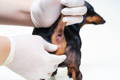
Veterinary professional performing anal gland expression on a dog

Manual expression

In some cases, you can manually express your dog's anal glands at home. However, it is essential to learn the proper technique from a veterinarian or experienced groomer to avoid causing injury or introducing infection. If you are not confident in the process, have a professional handle it. Keep in mind that relying solely on manual expression does not address the underlying cause — it only provides temporary relief.

Dietary adjustments

Incorporating fiber-rich foods into your dog's diet is one of the most effective ways to support natural anal gland expression. Foods like pumpkin, sweet potatoes, and green beans can help firm up stools and promote regular bowel movements that put adequate pressure on the glands.

Daily supplementation

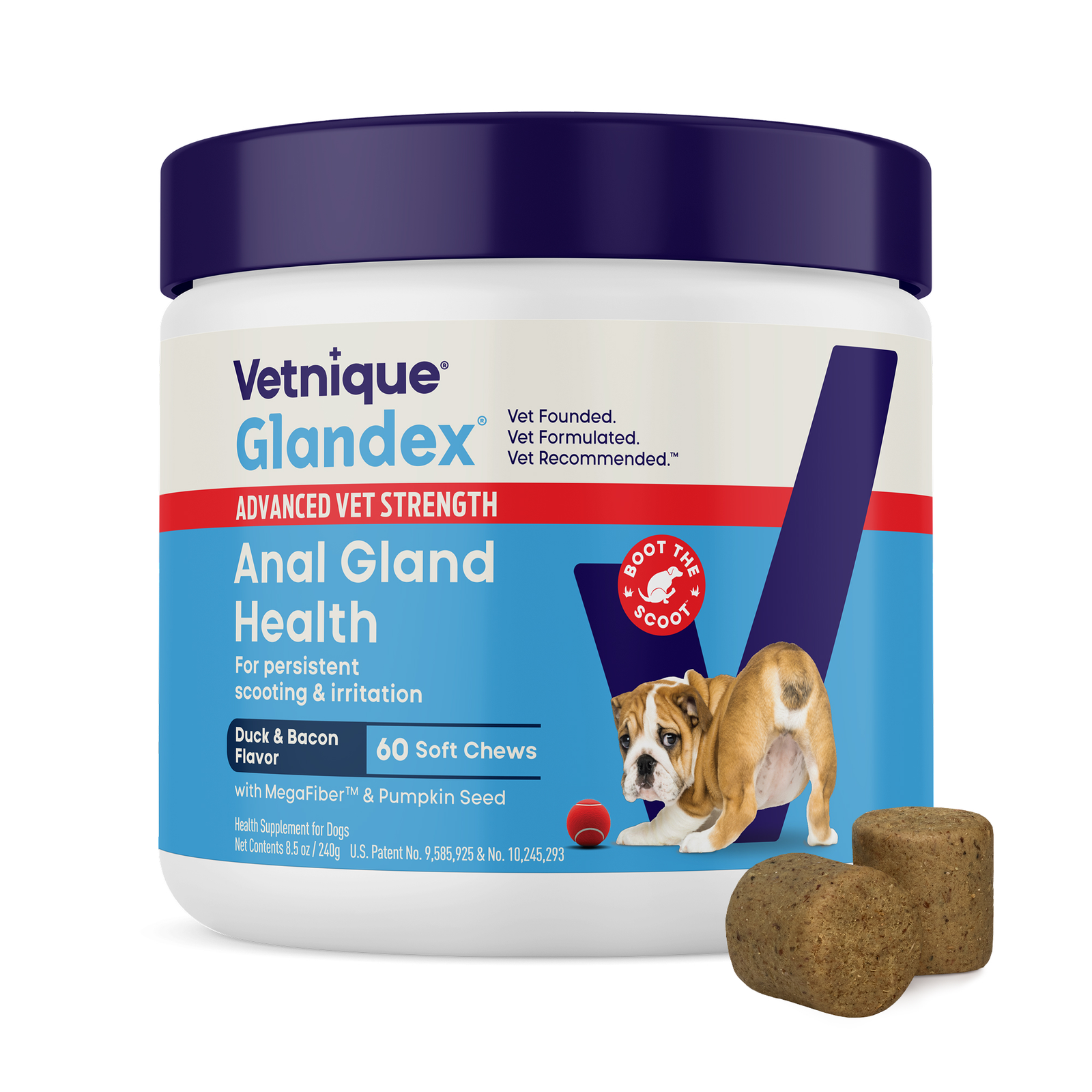
Glandex Soft Chews are veterinarian-formulated to support healthy anal gland function with a combination of pumpkin seed, digestive enzymes, and probiotics. They help promote firm, well-formed stools and regular bowel movements — addressing the root cause of most anal gland problems. For dogs with more severe or chronic anal gland issues, Glandex Advanced Vet Strength Chews provide a higher-potency formula. Dogs whose primary concern is digestive health and stool quality can benefit from Glandex Probiotic & Prebiotic Soft Chews.

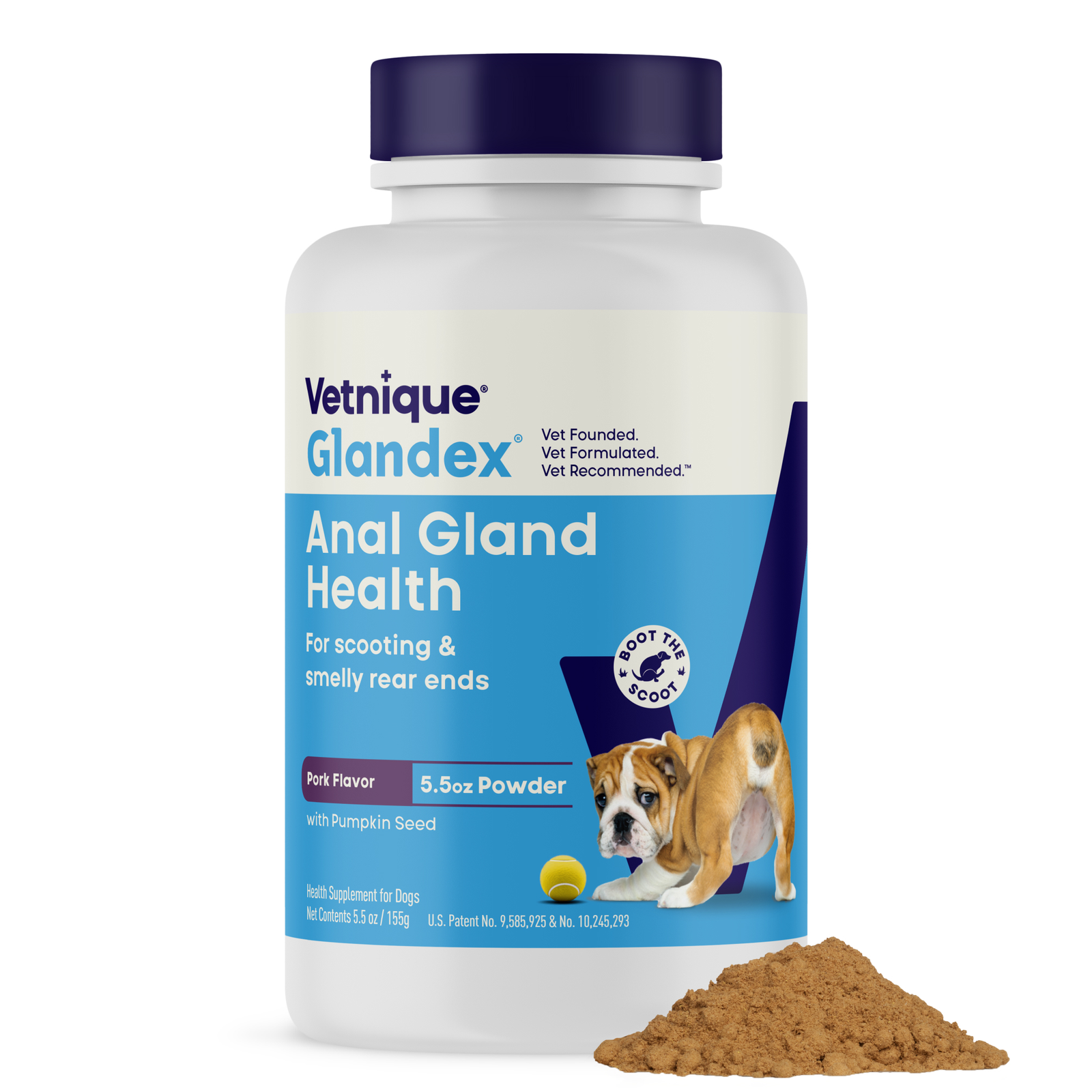
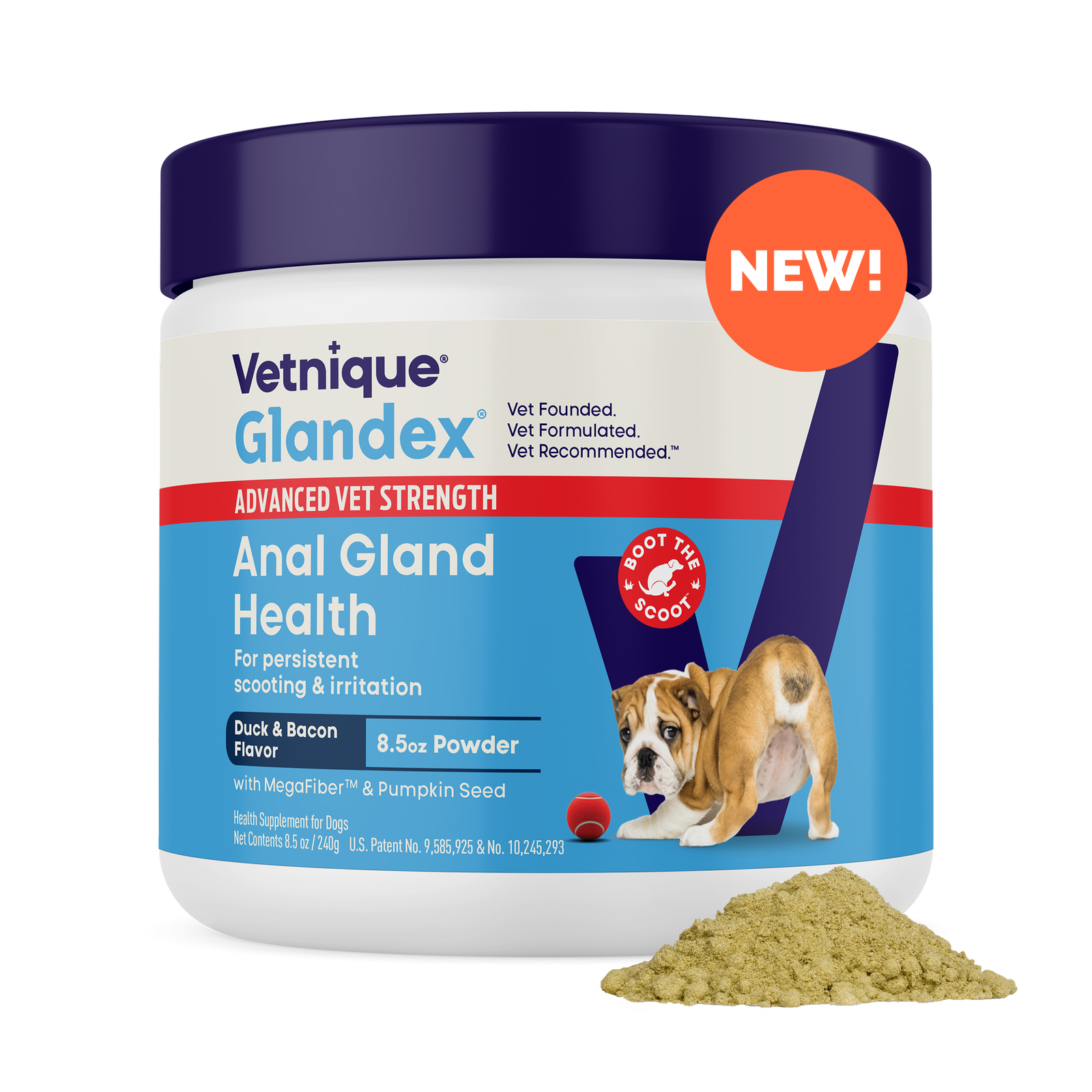
For picky eaters, Glandex Powder offers the same core benefits and can be easily mixed into food. An Advanced Vet Strength Powder is also available. For day-to-day hygiene around the anal area, Glandex Wipes contain Deoplex natural enzymatic deodorizers that eliminate — rather than mask — the odor associated with anal gland problems.

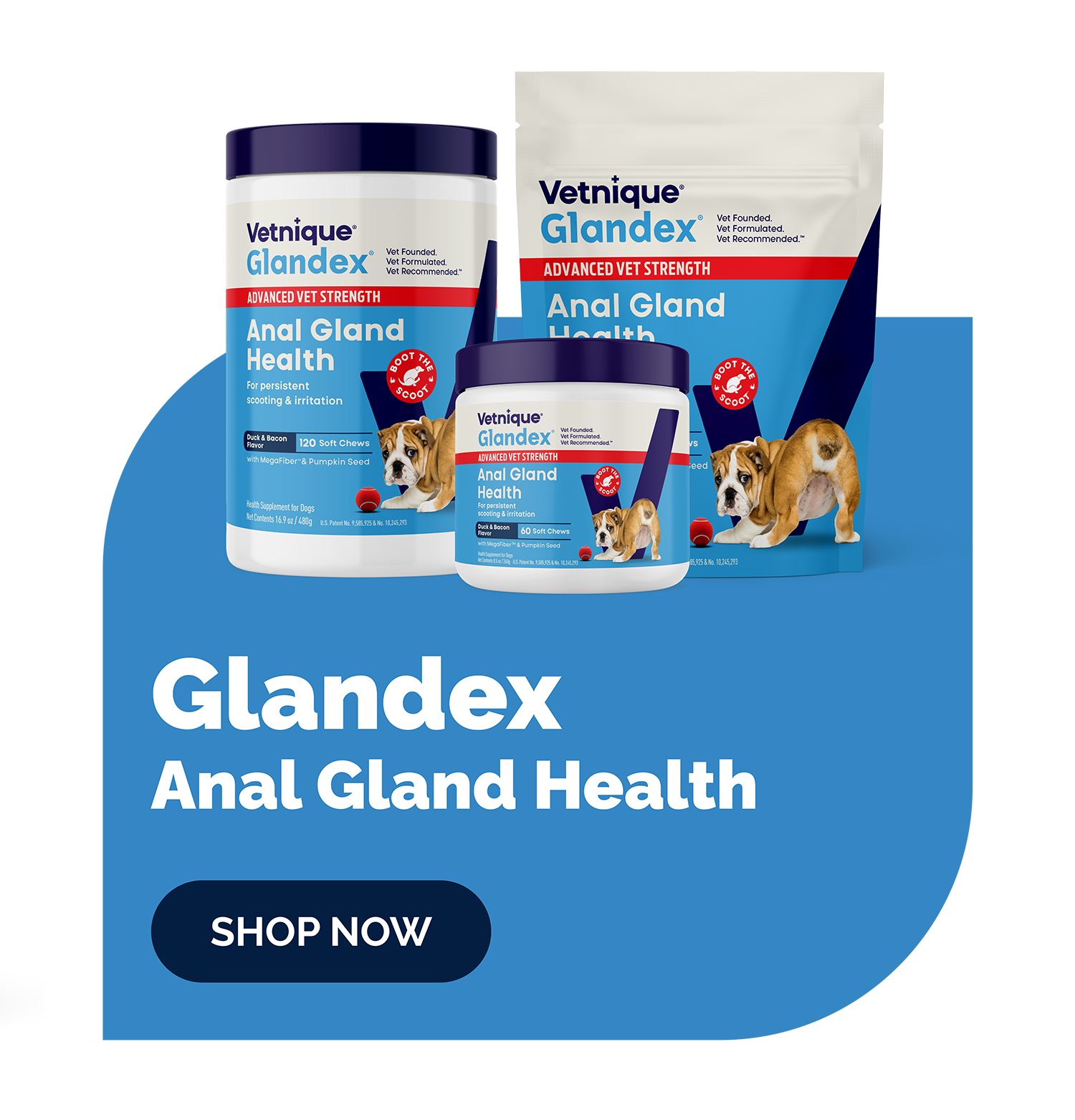
Explore the full range of anal gland support products in the Glandex collection.

Supporting Long-Term Anal Gland Health

Your dog's anal gland health is closely tied to their overall digestive health. By watching for the signs of full anal glands, understanding the causes, and taking a proactive approach through dietary adjustments and daily supplementation, you can keep your dog comfortable and reduce the likelihood of recurring problems.

If your dog is showing persistent anal gland symptoms or if you are unsure whether their glands need professional attention, consult your veterinarian for guidance.

For a comprehensive overview of anal gland anatomy, causes, and treatment options, visit our in-depth resource on anal gland issues in dogs. For the basics of how anal glands work, see our quick facts about anal glands in dogs and cats.

🩺
DR. JAMES BASCHARON SAYS
"Full anal glands are one of the most common sources of rear-end discomfort in dogs. Scooting, excessive licking, a strong fishy odor, and visible swelling are all reliable indicators that the glands need attention — either through natural expression supported by dietary fiber or, when necessary, manual expression by a professional."
— Dr. James Bascharon, DVM , General Practice
Breeds commonly affected
Most at risk

Frequently Asked Questions

How can I tell if my dog's anal glands are full?

The most common signs that your dog's anal glands are full include scooting (dragging their rear across the floor), excessive licking or biting at the hindquarters, a strong and unpleasant fishy odor from the rear end, signs of discomfort such as whining, whimpering, or restlessness, and visible swelling or redness around the anus. If you notice any of these signs, the anal glands likely need attention.

Why do dog anal glands get full?

The most common reasons dog anal glands become full are soft or loose stools that do not apply enough pressure on the glands during bowel movements, breed predisposition (some breeds are more prone due to gland size and shape), and poor-quality diets that lack adequate fiber and lead to irregular bowel movements. Any of these factors can prevent the glands from emptying naturally.

What does it smell like when a dog's anal glands are full?

Full or impacted anal glands produce a strong, pungent, fishy odor. This smell is caused by the fluid inside the glands becoming backed up. The odor is usually most noticeable when your dog sits down or passes gas. A sudden strong smell from your dog's rear end is one of the clearest indicators of an anal gland issue.

Can I express my dog's anal glands at home?

It is possible to manually express your dog's anal glands at home, but it is essential to learn the proper technique from a veterinarian or experienced groomer first. Incorrect technique can cause injury or introduce infection. If you are not confident in the process, it is best to have a professional handle it.

How can I prevent my dog's anal glands from getting full?

The most effective prevention is maintaining firm, well-formed stools through a fiber-rich diet. Incorporating fiber sources like pumpkin, sweet potatoes, and green beans into your dog's diet can help regulate bowel movements and promote natural gland expression. Daily supplementation with an anal gland support product that combines fiber, digestive enzymes, and probiotics provides consistent support for stool quality and gland health.

What happens if full anal glands are not treated?

If full anal glands are left untreated, the fluid inside continues to thicken and the glands can become impacted. Impacted glands can then develop infections, which can progress to painful abscesses that may require veterinary treatment including antibiotics or surgical drainage. Chronic untreated anal gland problems can also lead to significant discomfort and behavioral changes in your dog.

Which dog breeds are more prone to anal gland problems?

Some dog breeds are more prone to anal gland issues due to the size and shape of their glands. Smaller breeds tend to be affected more frequently, though anal gland problems can occur in dogs of any size or breed. Breeds with a predisposition benefit especially from proactive dietary support and monitoring for early signs of gland fullness.

How often should dog anal glands be expressed?

There is no single answer — it depends on the individual dog. Many dogs never need manual expression because their glands empty naturally during bowel movements. Dogs that are prone to full anal glands may need expression every few weeks to every few months. Supporting healthy stool quality through diet and supplementation can reduce or eliminate the need for manual expression over time.

📋
Veterinary Disclaimer

Vetnique Labs was founded by Dr. James Bascharon, DVM, and all content is reviewed by our Vet Advisory Board. This information is not a substitute for professional veterinary advice. Always consult your veterinarian.

Dr. James Bascharon
About the Author

Dr. James Bascharon, DVM

Veterinarian | Founder & CEO

Dr. James Bascharon is a veterinarian, entrepreneur, and the visionary founder of Vetnique. He launched Vetnique in 2012 after formulating Glandex® in his own kitchen to address anal gland health in pets.

Search