

Most dogs naturally express their anal glands during bowel movements. However, you may find yourself asking how to express dog's glands at home or what happens if you don't express a dog's glands? Consulting with your veterinarian is the best way to establish an appropriate care routine for your dog's anal glands.
Manual anal gland expression is a skill that many pet parents can learn with patience and proper technique. Providing this relief at home reduces the stress of frequent veterinary visits for your dog and helps you recognize when a problem requires professional clinical attention.
This guide covers everything you need to know: how to recognize the signs dog needs glands expressed, proper technique, when to see your vet, and how to reduce the need for manual expression entirely.
What Are A Dog's Anal Glands or Anal Sacs?
Anal glands, technically referred to as anal sacs, are small sacs located on either side of the dog's anus. These are positioned at approximately the 4 o’clock and 8 o’clock positions. They produce an oily, pungent fluid used for scent-marking and territory identification.
Dogs express their anal glands naturally during bowel movements as firm stool applies pressure to the anal sacs. Maintaining healthy anal glands is a priority, and feeding a diet with adequate fiber supports this natural process. Fiber promotes healthy digestion and helps form the firm, bulky stools required for natural expression.
Keeping your dog at a healthy body weight reduces the risk of anal gland problems. Certain breeds, such as Bulldogs, Chihuahuas, and Cocker Spaniels, are more prone to anal gland issues. Factors such as soft stools or obesity prevent the glands from emptying properly. When this fluid builds up, it becomes thick and irritating.
Signs Your Dog Needs Their Anal Glands Expressed
Not all dogs need their glands expressed. However, if the anal sacs become overfilled or impacted, your dog will show specific behaviors.
Key signs include:
- Chronic scooting: Dragging the rear across the carpet or grass.
- Excessive licking: Biting or licking at the tail base or rear end (area excessively).
- Fishy odor: A persistent, unpleasant odor indicating the glands are full or leaking.
- Apparent pain: Difficulty when sitting or defecating.
Signs that require immediate veterinary care include extreme pain, bloody discharge, and open sores near the anus. If the anal glands do not empty properly, they swell and become incredibly painful. If left untreated, these can lead to serious medical issues.
How to Express a Dog’s Anal Glands at Home: Step by Step Guide
Choose a location that is easy to clean, such as a bathtub, as the fluid has a very strong scent. While pet parents can express their dog's anal glands at home, professional help is recommended if you are unsure. The process involves gently squeezing the small sacs to release built-up fluid.
To manually express your dog's anal glands, use a gloved index finger to locate the glands and apply gentle pressure. Routine expression should only be performed as needed, as unnecessary expression causes irritation and damage.
Step 1: Gather your supplies
Preparation ensures a stress-free experience for both you and your pet. You will need:
- Disposable gloves: High-quality latex or nitrile.
- Lubricant: Petroleum jelly or a water-soluble lubricant.
- Paper towel: Plenty of clean towels or gauze pads.
- Soap: Mild dog-safe soap for cleanup.
- Treats: A high-value reward for your dog.
Step 2: Position your dog safely
Stability is essential: Have your dog stand on a stable surface. It is helpful to have a second person steady the dog's head to prevent them from sitting down, which could risk accidental pinching or bruising.
Step 3: Locate the anal glands
Find the clock positions: Put on your gloves and apply lubricant. Imagine the dog's anus as the center of a clock. You should feel two firm, pea-sized or grape-sized lumps at the 4 o'clock and 8 o'clock positions.

Step 4: Apply gentle pressure
External expression: Place a paper towel over the dog’s anus to catch the anal gland secretions. Using your thumb and forefinger, gently grasp the glands from the outside. Apply firm but gentle pressure, squeezing the glands toward each other and toward the anal opening.
Important: If you encounter resistance, if the fluid contains blood, or if your dog reacts with intense pain, stop immediately and contact your veterinarian.
Step 5: Clean up and deodorize
Neutralize the scent: Clean the area with mild soap and warm water. We recommend Glandex Wipes, which are veterinarian-formulated with natural enzymes to neutralize odors and soothe delicate skin.
How To Express A Dog's Anal Glands - Video Guide
This step-by-step video demonstrates the external expression technique described above.
When to stop: impaction, infection, and abscess
Home expression is for routine maintenance only. Anal gland impaction occurs when fluid becomes too thick to pass through the duct. If left untreated, bacteria grow within the trapped fluid, leading to an anal gland infection.
An infected gland often feels hot, looks red, and is extremely painful. The most severe stage is an anal gland abscess, which causes significant swelling. If an anal gland abscess is left untreated, it may progress to a ruptured anal gland abscess. This results in severe pain and a foul odor. Professional intervention is required for these complications.
Why manual anal gland expression is not a long-term solution
Manual expression provides temporary relief but does not address why the glands failed to empty naturally. Relying solely on this method can lead to decreased efficiency and scar tissue in the ducts.
The most effective long-term approach combines hygiene, exercise, and targeted nutritional support. By improving stool quality, you help the body perform its natural expression function, reducing the need for manual intervention.
Supporting natural anal gland expression
The key to health is firm stools that naturally express the glands during every bowel movement. A combination of dietary fiber, probiotics, and anti-inflammatory support provides the foundation for this.
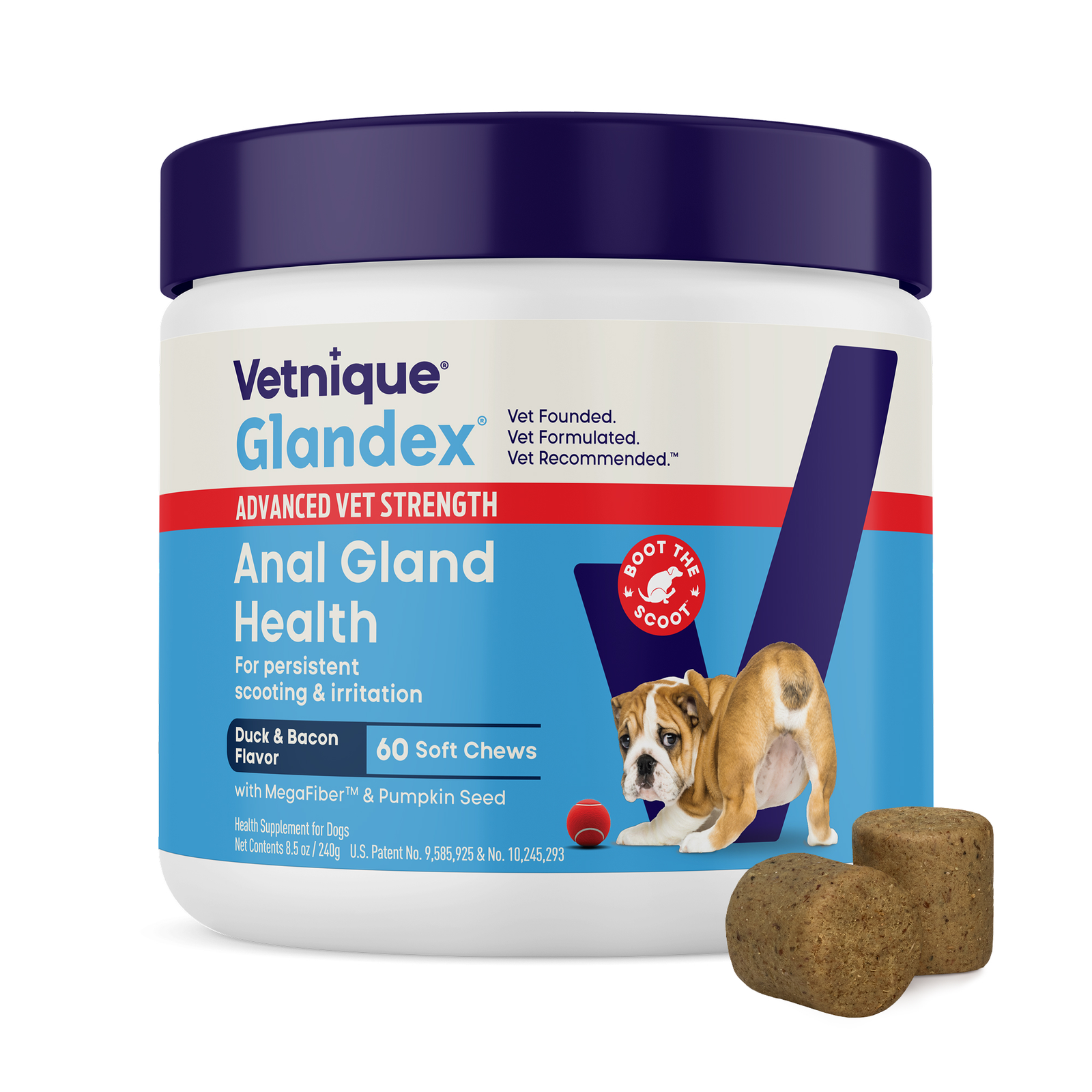
- Glandex Soft Chews: Feature a patented blend of soluble and insoluble fibers to promote firm stools.
- Glandex Advanced Vet Strength: Provides a higher-potency formula for chronic anal gland issues.
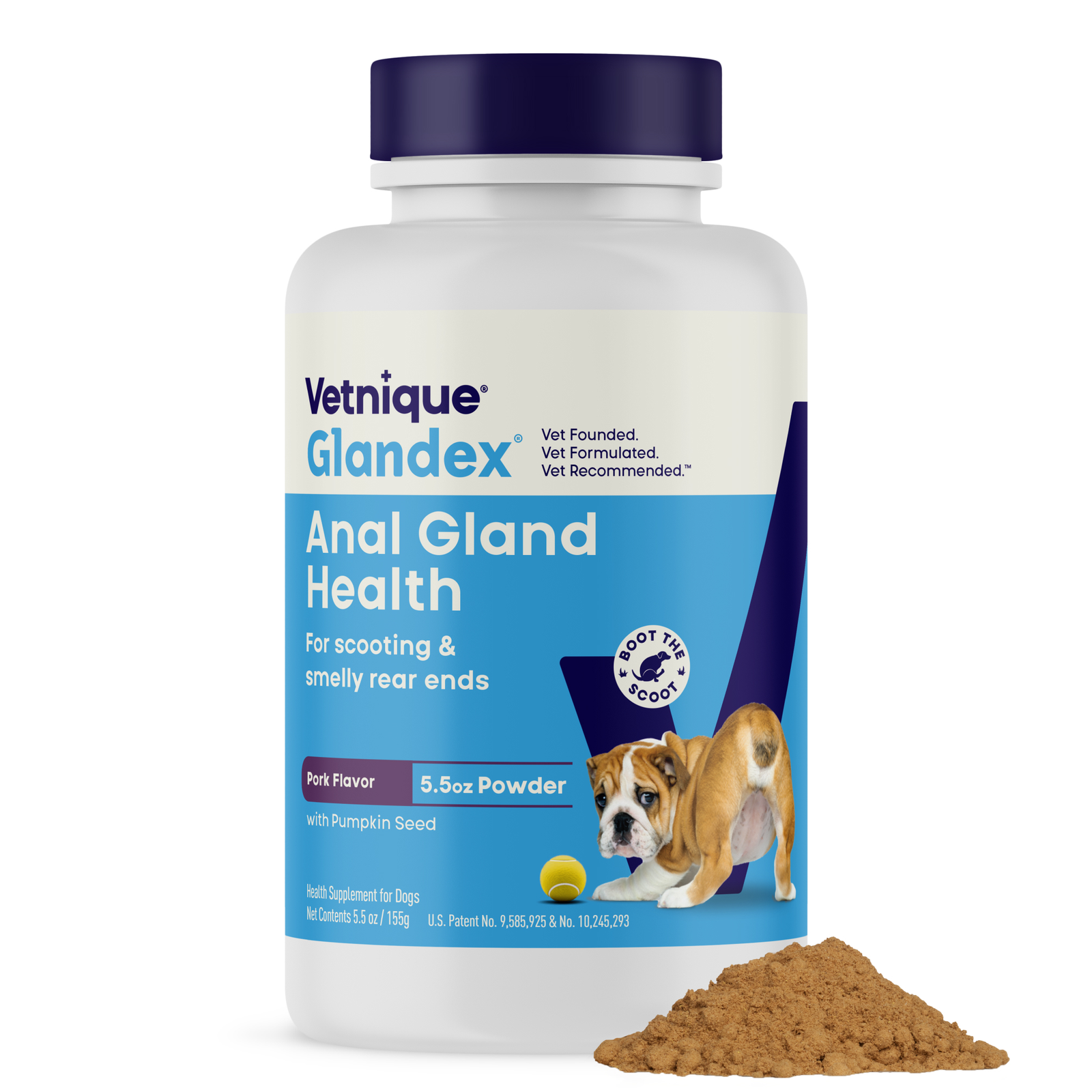
- Glandex Powder: Ideal for picky eaters and can be mixed directly into food.
Maintaining a healthy weight and ensuring regular exercise also support healthy digestion and natural expression. Most pet parents see a noticeable difference in scooting and discomfort within 3 to 5 weeks of consistent use.

Can Dogs Express Anal Glands on Their Own?
Yes, most dogs naturally express their anal glands without any help. In fact, under normal conditions, this process happens automatically during bowel movements. As stool passes through the rectum, it puts gentle pressure on the anal glands, causing them to release their fluid in small, often unnoticeable amounts.
For healthy dogs with firm, well-formed stools, this system works seamlessly. That’s why many pet parents never have to think about anal glands at all.
However, not all dogs express their glands efficiently. Several factors can interfere with this natural process:
- Soft or inconsistent stools that don’t provide enough pressure
- Chronic digestive issues, including food sensitivities
- Obesity, which can affect muscle tone and gland function
- Breed predisposition, especially in smaller dogs like Chihuahuas or Toy Poodles
- Low-fiber diets, which may impact stool quality
When glands aren’t emptied properly, fluid can build up over time, leading to discomfort and potential complications.
You might notice signs your dog isn’t expressing their glands naturally, such as:
- Scooting or dragging their rear across the floor
- Excessive licking or biting at the tail area
- A strong, fishy odor
- Visible discomfort when sitting
If your dog shows these symptoms occasionally, it may simply mean they need a little extra support, either through diet, supplements, or occasional manual expression. But if it becomes a recurring issue, it’s worth addressing the root cause, especially digestive health.
What Happens If a Dog’s Anal Glands Aren’t Expressed?
When anal glands don’t empty as they should, the fluid inside them begins to thicken and accumulate. Over time, this can lead to a range of increasingly uncomfortable—and sometimes serious—issues for your dog.
Here’s what can happen if the problem goes unaddressed:
1. Impaction
This is often the first stage. The gland becomes clogged with thickened fluid, making it difficult (or impossible) to express naturally. Dogs may show mild discomfort, scooting, or licking.
2. Infection
If bacteria build up in the impacted gland, it can become infected. At this point, you may notice:
- Swelling near the anus
- Redness or irritation
- Pain when your dog sits or defecates
- A foul-smelling discharge
3. Abscess Formation
Left untreated, an infected gland can form an abscess, a painful, pus-filled swelling that may eventually rupture. This can cause bleeding, open wounds, and significant distress for your dog.
4. Chronic Recurrence
Some dogs fall into a cycle of repeated impactions or infections, especially if underlying issues like poor gut health or inflammation aren’t addressed.
Why Prevention Matters
Supporting your dog’s digestive health is one of the most effective ways to prevent anal gland problems in the first place. Firm, healthy stools help naturally express the glands, reducing the need for manual intervention.
Simple preventive steps include:
- Feeding a balanced, high-quality diet
- Incorporating fiber to support stool consistency
- Maintaining a healthy weight
- Monitoring for early signs of discomfort
For dogs prone to recurring issues, targeted digestive support, such as fiber-rich supplements or vet-formulated solutions, can make a meaningful difference in long-term gland health.
Bottom line: When anal glands aren’t expressed, small issues can quickly turn into painful conditions. Staying proactive with your dog’s diet and digestive health can help keep things functioning exactly as they should, naturally and comfortably.
Preventing anal gland cancer in dogs
Anal gland cancer is a serious threat to your dog’s well being. The best prevention is a proactive approach centered on regular veterinary check-ups.
Routine visits allow for early detection of abnormal changes, such as swelling or lumps, which can be early warning signs. Addressing anal gland impaction, infection, or abscesses promptly is crucial, as chronic untreated issues may increase the risk of cancerous changes. Early intervention and consistent care are your best defenses against anal gland cancer.