

If your dog is constantly scratching their ears or shaking their head, they may be dealing with an ear yeast infection. Yeast infections in the ears are one of the most common ear health issues in dogs, and certain breeds are especially susceptible. Here is what to know about the signs, causes, diagnosis, treatment, and prevention of dog ear yeast infections.
What Is a Dog Ear Yeast Infection?
A dog ear yeast infection occurs when yeast — a type of fungus that naturally lives on a dog's body in small amounts — overgrows inside the ear canal. Normally this yeast does not cause problems, but when the balance of microorganisms is disrupted, it can multiply excessively and lead to infection, inflammation, and pain. For information about yeast infections on other parts of the body, see our guide to yeast dermatitis in dogs.
Dogs with floppy ears — like Golden Retrievers, Cocker Spaniels, and Basset Hounds — are more prone to ear yeast infections because their ear flaps create a warm, moist environment that promotes yeast growth. However, any dog can develop an ear yeast infection, making regular ear hygiene important for all breeds.
The ear canal of a dog is L-shaped, which makes it harder for debris and moisture to be expelled naturally. When yeast begins to overgrow in this environment, it leads to inflammation, discomfort, and sometimes severe pain.
Signs and Symptoms of Ear Yeast Infections in Dogs
Ear Scratching or Head Shaking
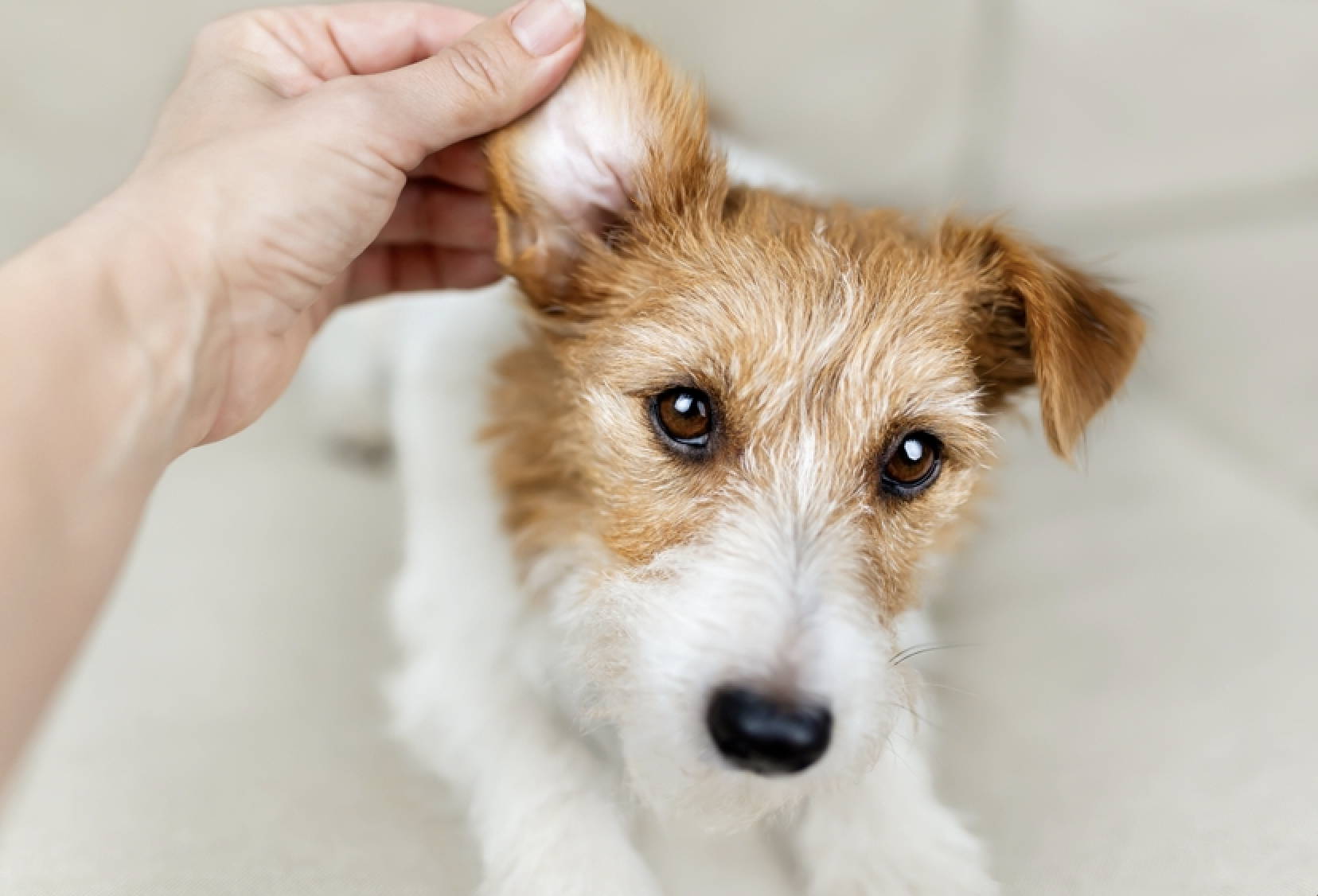
Frequent ear scratching or vigorous head shaking is one of the most noticeable signs of an ear yeast infection. This behavior indicates that your dog is experiencing irritation and discomfort inside the ear.
Musty Odor and Discharge
A strong, musty odor from the ears is a telltale sign of yeast overgrowth. This smell is typically accompanied by a dark, waxy discharge. If you notice an unusual odor from your dog's ears, check for other symptoms as well.
Redness and Inflammation
Yeast ear infections cause significant inflammation inside the ears. Healthy ears should be a light pink color. If the inside of your dog's ear appears bright red or feels warm to the touch, an infection is likely present.
Loss of Hearing or Balance
In severe cases, an ear yeast infection can affect your dog's hearing and balance. If the infection spreads to the inner ear, you may notice a head tilt, stumbling, falling over, or the appearance of walking sideways. Chronic infections can lead to inflammation and swelling that interfere with hearing. If your dog seems disoriented or has sudden hearing changes, seek veterinary care immediately.

Common Causes of Dog Ear Yeast Infections
Several factors can contribute to the development of ear yeast infections in dogs. Allergies to food, environmental allergens, or flea bites can cause inflammation and itchiness in the ears, creating conditions that favor yeast growth. Excess moisture from swimming or bathing is another common cause — water that remains in the ear canal provides an ideal environment for yeast. Ear anatomy also plays a role: breeds with floppy ears or narrow ear canals are at higher risk because their ear structure traps moisture and debris. A weakened immune system can also make it difficult for a dog to control yeast growth naturally.
How Is a Dog Ear Yeast Infection Diagnosed?
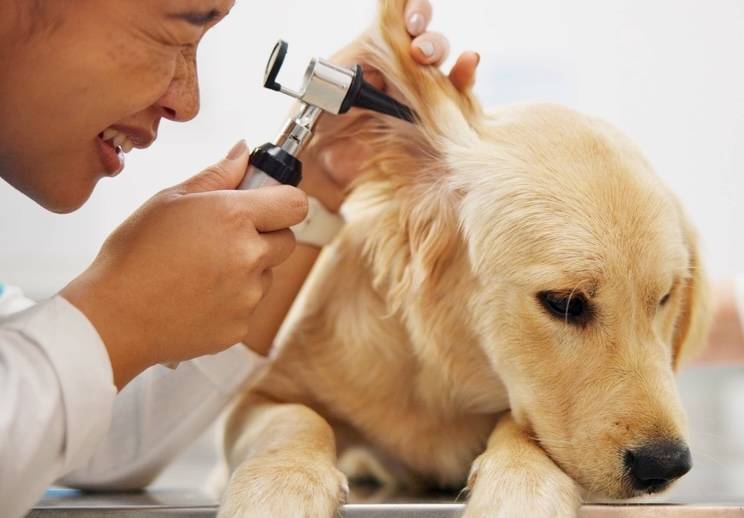
Diagnosing an ear yeast infection typically involves a veterinary examination. The vet will inspect the ears for signs of inflammation, discharge, and odor, and may use an otoscope to view inside the ear canal. A sample of the ear discharge is examined under a microscope to confirm the presence of yeast and determine the extent of the infection. The vet may also check for bacteria, since bacterial infections can sometimes accompany yeast infections in the ears.
Treatment for Dog Ear Yeast Infections
Once diagnosed, your veterinarian will recommend a treatment plan based on the severity of the infection.
Medicated ear drops. Antifungal ear drops target the yeast causing the infection and often include anti-inflammatory agents to reduce swelling and discomfort. OticBliss Vet Strength Ear Drops contain antimicrobial ingredients that help address ear infections.
Oral medications. In severe cases where ear drops alone are not sufficient, oral antifungal medications may be prescribed to treat the infection systemically.
Ear cleaning. Regular cleaning with a medicated, vet-approved ear cleaning solution helps remove debris and reduces the likelihood of recurrence.
It is essential to follow your veterinarian's instructions carefully and complete the entire course of treatment, even if your dog's symptoms improve before the medication is finished. A follow-up appointment is also important — yeast can still be present microscopically even when the dog appears better. Stopping treatment early will likely result in the infection returning.
At-Home Care and Prevention
While professional veterinary care is essential for treating active infections, at-home care plays an important role in supporting recovery and preventing future ear yeast infections. Clean your dog's ears regularly with a gentle, vet-approved ear cleaner to remove excess wax and debris. After baths or swimming, make sure the ears are completely dry — OticBliss Cleansing and Drying Ear Wipes can help absorb excess moisture. Feed a balanced diet to support immune health and make your dog less susceptible to infections overall.
Regular ear care and monitoring for early signs of yeast infections will help keep your dog's ears healthy and free from infection. Browse the full OticBliss ear health collection for ear drops, ear flush solutions, and cleaning wipes.