

Learn how to address the underlying causes of dog scooting, including veterinarian-recommended dietary solutions, manual procedures for anal gland issues, and expert tips for long-term preventative care. While many pet parents view scooting as a quirky habit, Vetnique recognizes it as a clinical signal of discomfort that requires a science-backed approach.
At Vetnique, we are grounded in clinical experience and believe in providing nose-to-tail wellness. Understanding the underlying causes and preventive measures is the first step toward long-term relief.
Why Do Dogs Scoot?
Full or Problematic Anal Glands
One of the primary reasons dogs scoot is due to full or problematic anal glands. These glands, also known as anal sacs, are two small sacs located on either side of the anus that secrete fluid during bowel movements. When these glands become blocked, impacted, or infected, they cause discomfort and the urge to scoot. While some dogs express these glands naturally, others require having their anal glands expressed by a professional. Beyond glandular health, there are several reasons and other causes for this behavior, including pests and skin sensitivities.
Allergies
Environmental allergens, such as pollen, dust mites, and mold, as well as food and flea allergies, can cause skin irritation and itching in the anal area. Food allergies may also lead to gastrointestinal issues like soft stools, which contribute to anal gland problems.
Parasites
Intestinal parasites, particularly tapeworms, cause irritation and inflammation around the anus. You may see tapeworm segments near the anus or on bedding. Other worms, such as roundworms, hookworms, and whipworms, can also prompt scooting.
Digestive Irritation and Skin Issues
Loose stools from diarrhea prevent proper anal gland expression, while constipation causes gastrointestinal discomfort that dogs may try to relieve by scooting. External factors like rough surfaces, insect bites, or injuries also trigger the behavior. Keeping the area clean with pet-safe wipes helps prevent irritation-related scooting.
Dog breeds prone to scooting
While dog scooting can affect any canine companion, certain dog breeds are more likely to experience this uncomfortable behavior due to their unique anatomy or genetic tendencies. Breeds with narrow anal gland ducts, such as Chihuahuas, Toy Poodles, and Lhasa Apsos, are particularly prone to blocked anal glands and related anal gland issues. These blockages can cause discomfort and prompt dogs to drag their rear end along the ground in an attempt to relieve pressure.
Additionally, breeds with prominent skin folds, like Bulldogs, or those that are more susceptible to skin allergies, such as Bichon Frises and Shih Tzus, may also be at higher risk for scooting. For these breeds, regular grooming and close monitoring are essential to catch early signs of anal gland problems or skin allergies before they escalate.
What Is the Most Common Reason Dogs Scoot?
The most common reason is anal gland issues. These two small sacs, located just inside and on either side of the anus, play an important role in a dog's health. Problems arise when the glands become clogged, infected, or inflamed.
-
Incomplete expression: Some dogs do not fully empty their anal glands during bowel movements. This leads to a buildup of fluid in the glands, causing discomfort and the urge to scoot to relieve the pressure.
-
Soft stool: Dogs with soft or loose stool may not exert enough pressure on the anal glands during bowel movements to express them naturally.
-
Infection or inflammation: Infections of the anal glands commonly occur from bacteria, though fungi, parasites, or viruses can also contribute. Infection causes pain, swelling, and irritation that prompts scooting.
-
Anal gland abscesses: In severe cases, untreated anal gland issues can progress to abscess formation, a painful condition characterized by a localized collection of pus near the anal glands that can ulcerate through the skin surface.
-
Underlying health conditions: Conditions such as allergies, inflammatory bowel disease (IBD), and anal tumors can also contribute to anal gland problems.
How to Stop a Dog From Scooting
To ensure your pet's comfort, we must address the root cause of the behavior with precision and care.
-
Regular anal gland expression: Your veterinarian can perform a digital rectal exam to safely express the anal glands and relieve any buildup or blockages. This is the safest and most thorough approach to managing anal gland issues.
-
Allergy management: Identify and manage allergies through proper diet and environmental controls. DermaBliss Allergy Health Chews can provide additional allergy support as part of a broader management plan.
-
Parasite testing and control: Maintain routine fecal parasite testing and administer parasite-control medications as recommended by your veterinarian to prevent infestations. According to the Companion Animal Parasite Council (CAPC), regular testing is vital for preventing the transmission of zoonotic parasites.
-
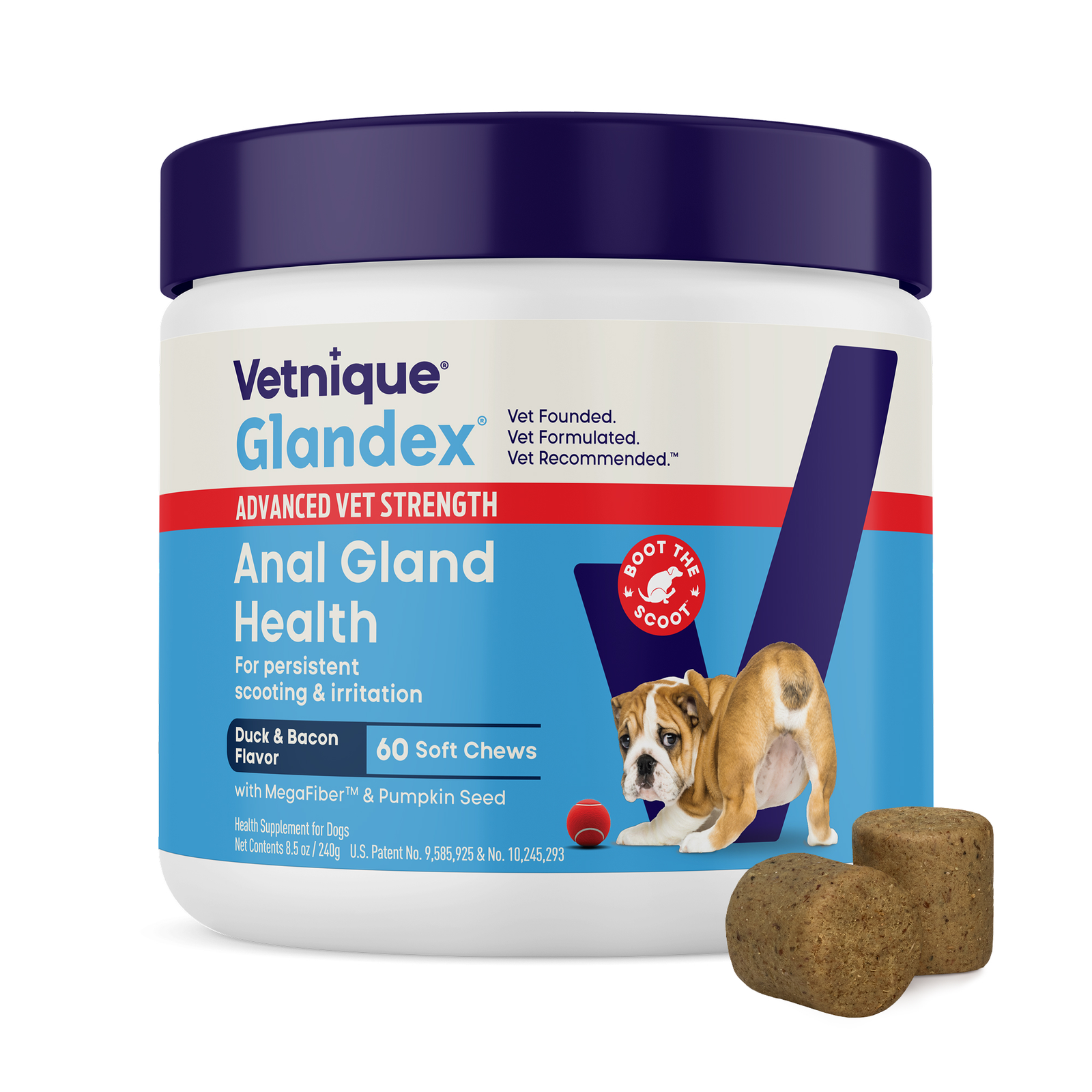
Digestive health: Support healthy digestion with a dog's diet that is fiber-rich. Glandex Soft Chews combine pumpkin-based fiber with probiotics and digestive enzymes to ensure firm bowel movements.
-
Skin care: Keep the anal area clean with gentle Glandex Hygienic Wipes and inspect regularly for skin issues.
Monitoring your dog's behavior
Keeping a close eye on your dog's behavior is key to catching health issues like anal gland problems or skin allergies before they become serious. Pet Parents watch for other symptoms such as excessive licking or chewing around the anus, swelling, redness, or a foul odor.
Noticing these symptoms early allows you to seek timely treatment. A well-balanced dog's diet and regular exercise play a significant role in supporting your dog's overall health and reducing the risk of anal gland problems. By staying alert to changes, you can help ensure their well-being and minimize the chances of recurring scooting episodes.
When to See a Veterinarian for a Scooting Dog
While occasional scooting may not be an immediate concern, certain signs warrant prompt veterinary attention. See your veterinarian if scooting is persistent, if your dog shows visible discomfort or vocalizes while scooting, or if you notice redness, swelling, or irritation around the dog's butt.
A strong foul odor from the anal area often suggests infection or an abscess. If you observe behavioral changes such as lethargy, loss of appetite, or if blood is present in the stool, professional evaluation is necessary. When in doubt, a veterinary evaluation is always the safest approach to identify when to see a vet for dog scooting.
Understanding anal furunculosis
Anal furunculosis, sometimes called perianal fistulas, is a serious and painful condition that can cause dogs to scoot due to severe discomfort around the anus.
This health issue is most commonly seen in certain breeds, particularly German Shepherds, and is believed to be related to immune system dysfunction. Symptoms include swelling, redness, and discharge around the anal area.
Treatment for anal furunculosis often involves a combination of medication, such as anti inflammatories, and dietary adjustments to help manage inflammation.
For Pet Parents, understanding these signs is crucial for early detection. Maintaining good hygiene around the anus can improve your dog's quality of life and reduce the risk of ongoing scooting.
Home Remedies for Dog Scooting
Home remedies can provide temporary relief but should not replace veterinary care, especially for anal gland issues scooting that doesn't resolve with fiber alone.
-
Warm compress: Applying a warm compress to the anal area can soothe discomfort and help relax the anal muscles. Use a clean towel dampened with warm water and hold it gently against the area.
-
Dietary changes: Adding fiber to dog's diet for scooting is a highly effective strategy. Our patented MegaFiber™ Blend adds the ideal bulk to stool, helping your pet empty their anal glands naturally with every poop.
-
Hygiene maintenance: Keep the anal area clean and dry to prevent irritation. Use mild, pet-safe wipes as needed between baths.
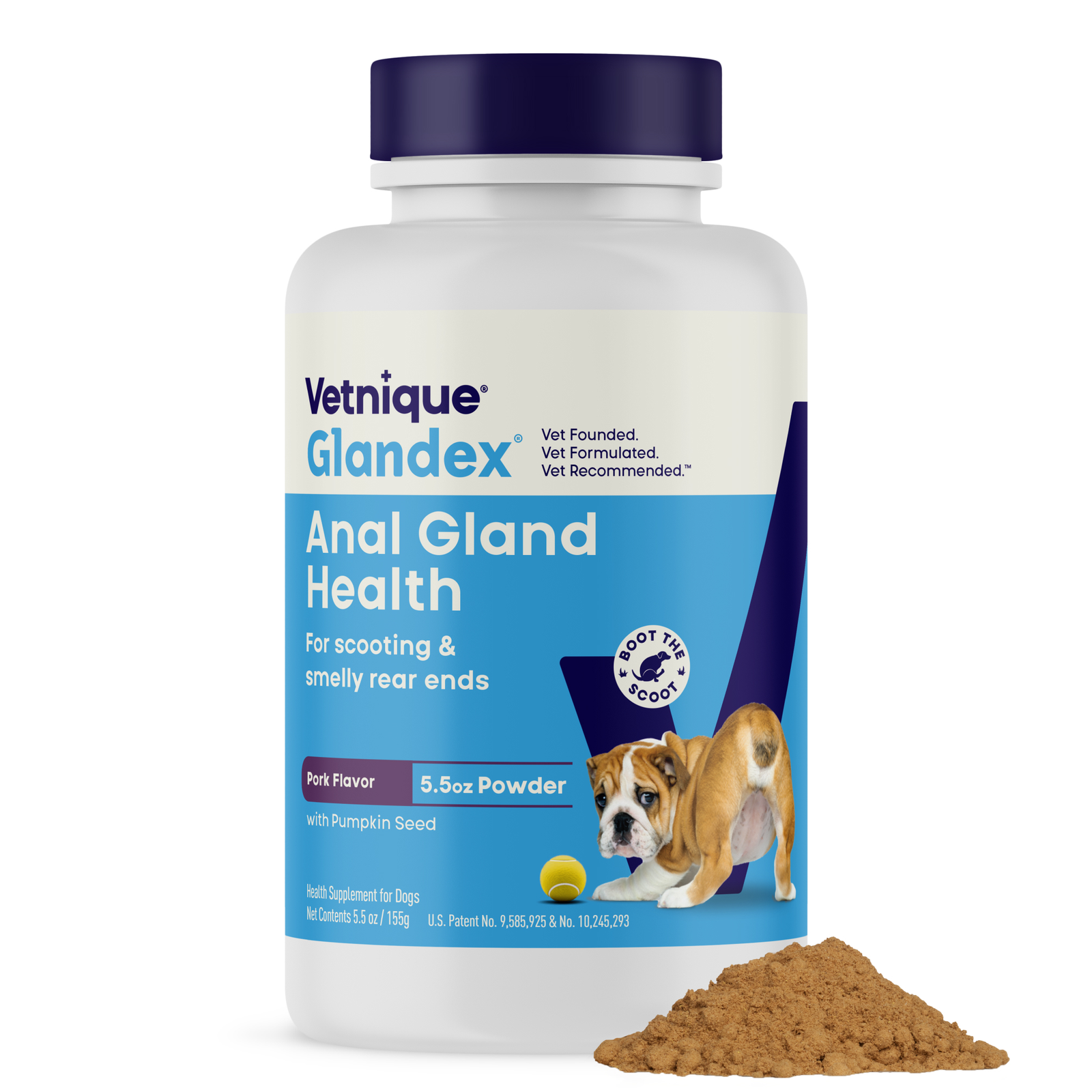
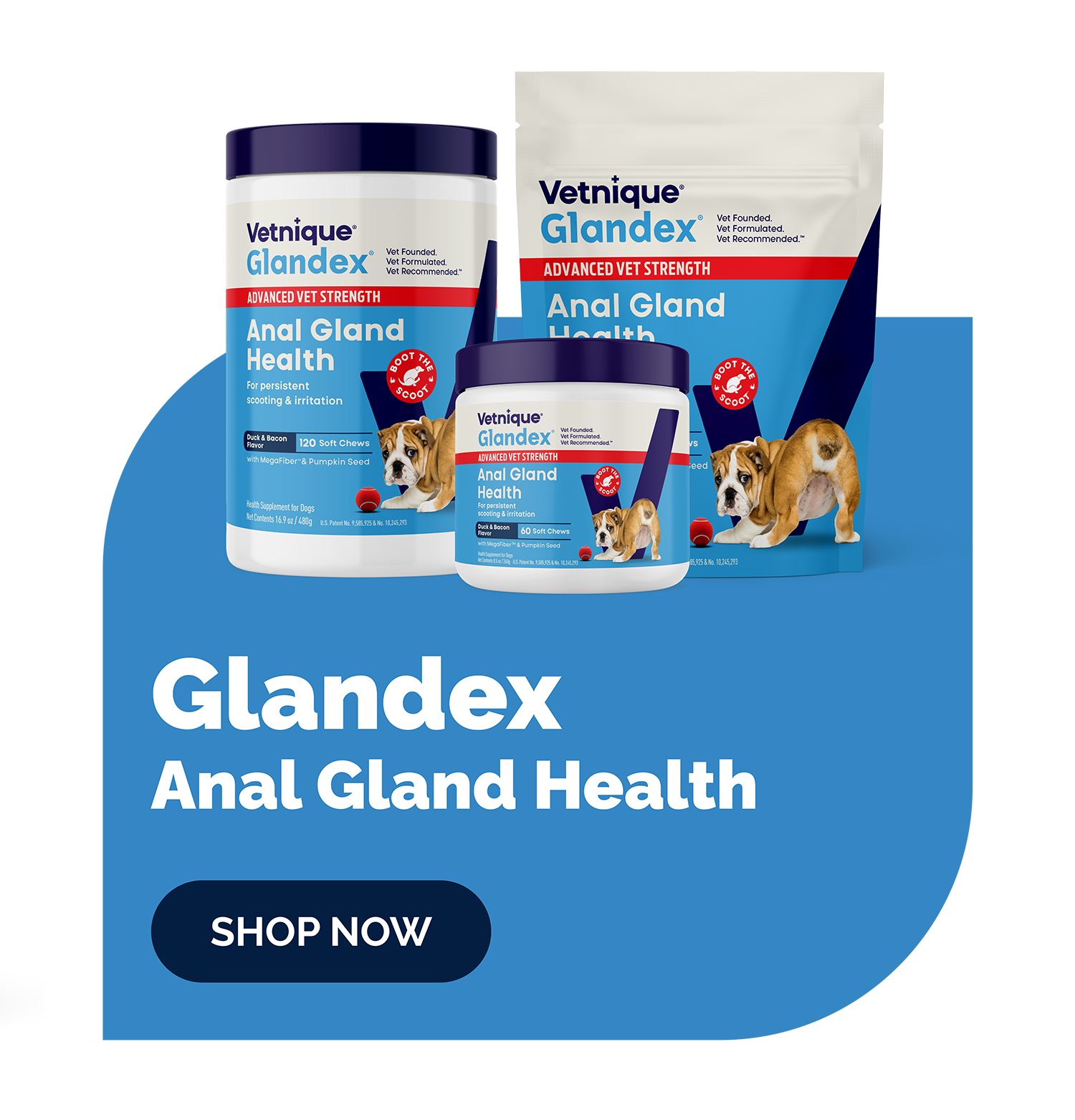
If scooting persists despite these steps, consult your veterinarian for a professional evaluation. You can also explore the Glandex range for scientifically formulated solutions to prevent future health problems.
Conclusion: how to stop dog scooting for good
While home remedies for dog scooting can provide targeted relief for immediate irritation, clinical caution and professional knowledge are essential to ensuring your pet’s safety. Addressing the root cause under the professional guidance of a veterinarian is essential to ensure your canine family member reaps the science-backed benefits of high-quality health solutions. By prioritizing professional oversight and our unique, veterinarian-formulated approach, you can confidently support your dog's anal gland health and quality of life for a long, active life together.